Beautiful Flowers: A Craft Fair Designer’s Honest Review
First Impression: Soft, Elegant, and Instantly Recognizable
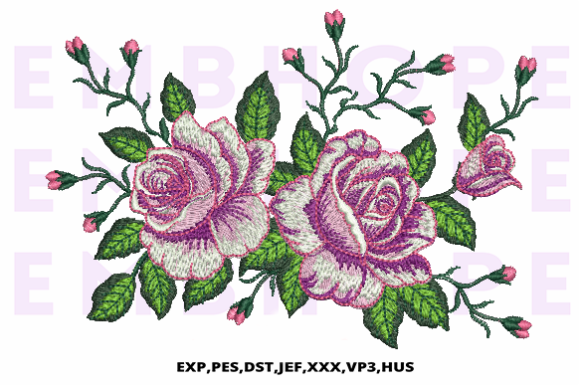
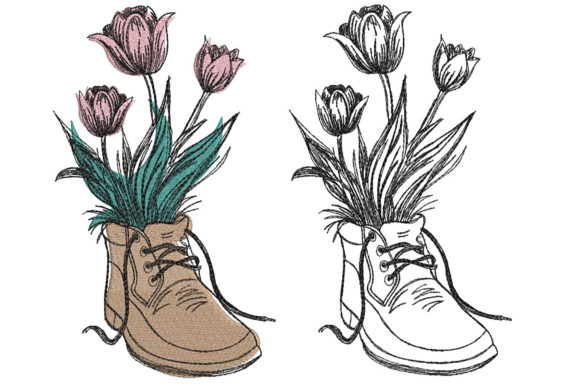
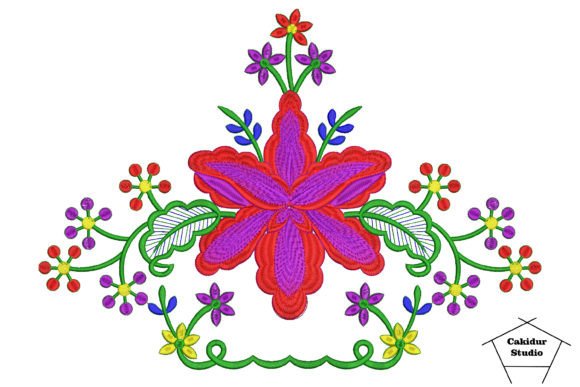
“Beautiful Flowers” lands exactly where it should — gentle but confident, decorative without being fussy, and quietly premium. It doesn’t scream “festive” or “rustic” — it leans into soft elegance with a modern handmade sensibility. That’s gold at craft fairs. Shoppers scanning booths in under three seconds respond to clarity and mood first. This title signals intention: not just flowers, but *beautiful* ones — curated, intentional, worthy of display. As a Bouquets-category embroidery file, it promises cohesion, not chaos. And that matters when your booth has 14 other floral designs competing for attention.
Where Beautiful Flowers Shines On Real Craft Fair Products
This machine embroidery design earns its keep across high-visibility, high-margin items — especially those customers touch, photograph, and gift. Here’s how it performs where it counts:
- Tote bag design: Stunning as a centered chest panel or subtle corner accent. The floral motif reads cleanly from 6 feet away, especially on natural canvas or linen-blend totes — no overcrowding, no visual fatigue.
- Apron embroidery: Perfect above the pocket or along the waistband. Its balanced scale avoids looking “stuck on” — instead, it feels like part of the apron’s story. Ideal for bakeries, florists, and boutique cafes wanting cohesive branding.
- Tea towel embroidery: A standout. Works beautifully on flour-sack cotton — the softness of the fabric complements the design’s gentle curves. Avoid dense stitch clusters near hems; test first on textured towels, as raised loops can mute fine petal definition.
- Embroidered patch: Highly viable — especially if the design includes clean outer edges and minimal interior detail. Patches sell fast at markets, and Beautiful Flowers translates well to sew-on or iron-on versions when digitized thoughtfully.
- Pillow cover & small pouch: This is where Beautiful Flowers becomes irresistible. On a 16” x 16” linen pillow cover, it reads as luxe and intentional. Same for drawstring fabric pouches — small enough to feel special, large enough to show off stitch quality.
- Caps & curved surfaces: Proceed with caution. Unless the design has been optimized for low-profile stitching and minimal underlay, avoid full-front cap placement. A scaled-down version (3.5” max) on the side or back works better — always test hoop size and stabilizer on actual caps before batch production.
What Makes Beautiful Flowers Sell — and What Holds It Back
It sells because it’s recognizable, repeatable, and resonant. Customers instantly understand its purpose: beauty, care, handmade warmth. It photographs exceptionally well for Etsy listings and printable mockups — soft shadows, clear outlines, and natural flow translate effortlessly to digital thumbnails. As a small shop product, it scales cleanly: embroider 50 tea towels in one afternoon or produce 12 unique pillow covers with varied fabric colors — all while maintaining brand consistency.
But here’s the real talk: Beautiful Flowers isn’t foolproof. Dense stitch areas — especially tight flower centers or layered leaves — can pucker on lightweight knits or bleed through dark fabric. Tiny details vanish on 2.5” patches or curved cap fronts. And on thick hoodies or textured canvas, thread colors may mute unless you choose high-contrast options (e.g., ivory thread on charcoal, not beige on taupe).
Design Assets That Make or Break Your Booth Display
A strong craft fair product isn’t just about the embroidery file — it’s about how it elevates your entire presentation. Beautiful Flowers strengthens booth display strength when used intentionally: one framed embroidered tea towel beside a matching pillow cover and a stitched market bag creates instant visual rhythm. It builds buyer engagement by inviting touch — people linger longer when texture and design harmonize. And yes, it lifts perceived product value: a $28 linen pouch with Beautiful Flowers feels like a keepsake, not just storage.
But only if executed well. A poorly stabilized tote bag with skipped stitches around a delicate stem kills the illusion of handmade quality. So treat this embroidery file like a collaborator — not a shortcut.
Practical Embroidery Designer Notes Before You Stitch
Before cutting fabric or loading hoops, run these checks — every time:
- Test on scrap fabric — especially your target material (e.g., terry cloth for towels, twill for caps).
- Check thread contrast against your base fabric — hold swatches in natural light, not just under booth LEDs.
- Review spacing and stitch density — zoom in on the embroidery file preview. Are petals overlapping too tightly? Does the design breathe?
- Confirm hoop size compatibility — don’t assume it fits your standard 5x7 unless verified. Oversized hoops slow down craft fair prep.
- Use the right stabilizer — cutaway for knits, tear-away for stable wovens, heavy-duty for textured towels.
- Create at least one real mockup — not just a digital preview. See how it drapes, folds, and catches light.
- Compare fabric colors — a cream thread on oatmeal linen reads differently than on ivory cotton. Swatch first.
- Confirm commercial licensing — since this is a machine embroidery design intended for finished product resale, ensure your purchase includes rights for commercial embroidery and handmade product use.
Final Thought: Beautiful Flowers Is a Quiet Workhorse
It won’t dominate your booth with neon energy or witty slogans — but it will convert browsers into buyers who value subtlety, craftsmanship, and quiet confidence. For Etsy sellers building a cohesive shop aesthetic, for boutique makers curating giftable handmade products, and for craft fair veterans who know that repeat customers return for consistency — Beautiful Flowers delivers. It’s not flashy. It’s thoughtful. And in handmade markets, that’s the highest compliment.