Border: Elegant Floral Embroidery for Small Business Merch
First Impression: Timeless, Refined, and Versatile
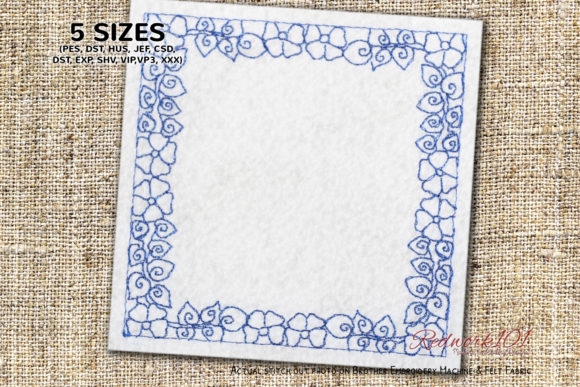
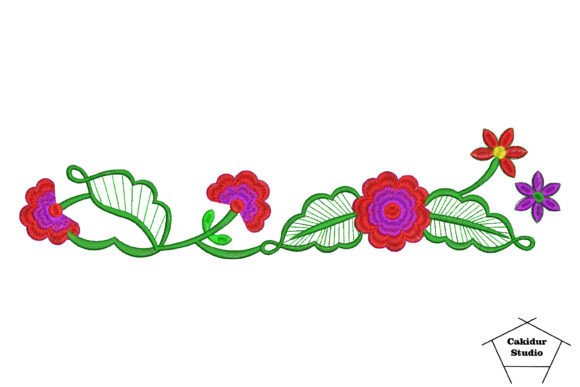
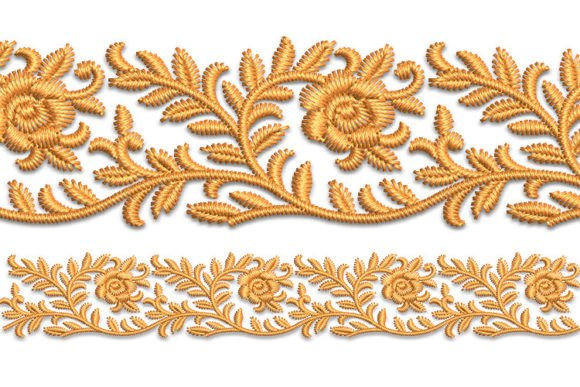
As an embroidery designer who’s developed hundreds of commercial designs for small businesses—from neighborhood bakeries to indie florists—I immediately recognized Border’s quiet confidence. “Elegant and floral” isn’t just marketing language here—it’s a precise visual promise. This isn’t a fussy, overwrought motif; it’s balanced, graceful, and intentionally restrained. The design reads as premium without feeling cold, handmade without looking amateurish, and classic without leaning into vintage clichés. For a café owner adding monogrammed aprons or a pet brand embroidering tote bags for adoption events, Border delivers instant sophistication—no redesign needed.
Real-World Performance Across Business Applications
Border shines where many floral machine embroidery designs falter: adaptability. As an embroidered patch on staff uniforms? It holds structure beautifully at 2.5–3 inches wide—ideal for chest placement on cotton-poplin work shirts or twill aprons. On caps? Use the top arch only (trimming the lower curve) for clean front-panel framing—especially effective when paired with a simple business name in clean sans-serif stitch lettering. For tote bag design, run Border along the bottom hem or as a sleeve-like wrap around the side seam—creating rhythm without overwhelming the canvas.
In boutique merchandise, Border works double duty: as a subtle branded accent on product packaging tags (think linen gift wrap labels or reusable cotton drawstring bags), and as a standalone sleeve detail on limited-run dresses or robes sold by handmade brands on Etsy. Its floral motif subtly reinforces natural, artisanal values—perfect for florists, herbal skincare lines, or farm-to-table studios—without locking the brand into seasonal or overly literal associations.
Where to Use Border Thoughtfully
Not every surface is equal—and Border’s elegance depends on smart execution. Avoid full-scale use on curved cap fronts under 2 inches tall; the delicate curves may distort or lose definition. On textured fabric like heavy canvas tote bags or looped terry towels, test stitch density first—tight floral elements can flatten or “mush” if stabilizer choice or underlay isn’t optimized. Dark uniforms (navy, charcoal, black) demand high-contrast thread colors: ivory or pale gold against deep backgrounds reads cleaner than soft pastels.
Small patch sizes (<1.75") require special attention. While Border scales down better than most floral borders, fine inner loops and narrow stems may collapse below 2 inches without minor digitizing tweaks—so always run a black-and-white test sew-out before bulk production. Likewise, avoid placing Border directly over seams or high-flex zones (e.g., elbow joints on sleeves) unless you’ve confirmed its stability with tear-away + cutaway stabilizer combo.
How Border Strengthens Brand Identity
For small business merch, consistency is credibility—and Border supports that. Used across aprons, tote bags, and packaging accents, it creates visual harmony without repetition fatigue. Unlike logos that must dominate, Border whispers professionalism. Customers subconsciously register care, attention to detail, and intentionality—key drivers of trust for handmade product buyers and local service providers alike.
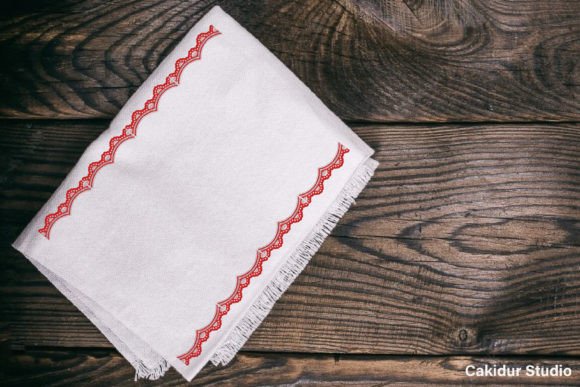
It also elevates perceived value. A plain cotton apron becomes a signature piece when edged with Border; a generic jute tote transforms into a keepsake when finished with this refined motif. That emotional resonance translates directly to engagement: Instagram shoppers pause longer on product photos featuring Border, and event attendees remember the café’s linen napkins edged with its gentle vines long after the latte’s gone.
Practical Designer Notes for Commercial Use
Before launching Border into production, follow these field-tested steps:
- Test in black and white first—verify clarity of negative space and stem separation without color distraction.
- Check minimum viable size—sew a 2-inch version on your target fabric to confirm legibility and stitch integrity.
- Review thread color contrast—especially for dark or variegated fabrics; soft tones need higher luminance differentials.
- Inspect spacing between elements—ensure no floating stems or unintended gaps that widen during hooping or washing.
- Confirm hoop size compatibility—some versions may require larger hoops; verify before digitizing adjustments.
- Test on real fabric + stabilizer combo—not just batting swatches, but your actual apron twill or tote canvas.
- Create a printable mockup for client approval—show Border alongside their logo, font, and brand palette.
- Compare beside other design assets—does it complement your existing embroidered patch library or clash tonally?
- Confirm commercial licensing—since this is a digital embroidery file intended for small business merch, ensure redistribution rights cover your use case (e.g., resale on finished goods).
Remember: Border isn’t just decoration—it’s a strategic brand asset. When applied with intention, it quietly signals quality, cohesion, and care. Whether you’re stitching for a flower shop’s summer collection or building embroidered identity systems for a new creative studio, this machine embroidery design earns its place—not as filler, but as foundation.