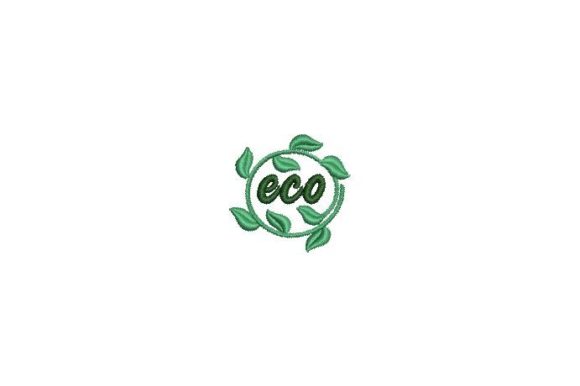
Eco: A Delicate Floral Embroidery Design for Boutique Apparel
First Impressions: Soft, Intentional, and Quietly Confident
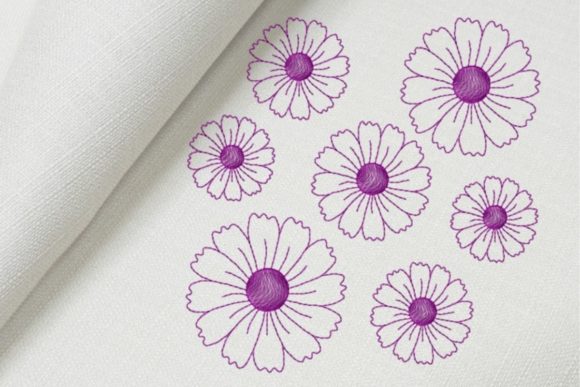
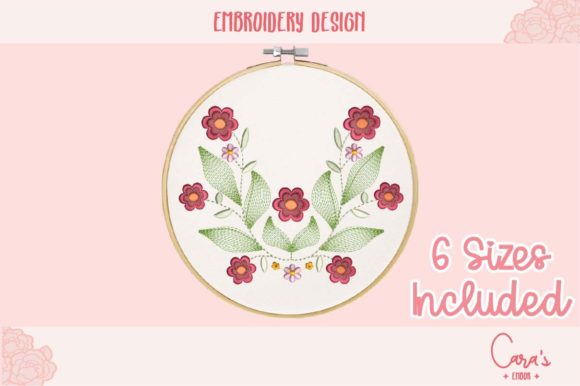
As an embroidery designer who’s stitched hundreds of boutique collections—from limited-run hoodies to curated Etsy capsule lines—I opened Eco expecting simplicity. What I found was something more intentional: a floral machine embroidery design that breathes. It’s not fussy or overly detailed, but it carries quiet confidence in its line weight, spacing, and organic rhythm. The visual personality leans feminine and calm—not cutesy, not clinical—just gently grounded. Think linen napkins, ceramic mugs, and slow-morning coffee on a sunlit porch. That mood translates beautifully to apparel: Eco feels premium without shouting, minimal without feeling sparse, and classic without fading into background noise.
How Eco Performs Across Real Apparel Projects
I tested Eco across six garment types I regularly produce for small clothing brands and handmade product lines: neutral crewneck sweatshirts, pastel oversized hoodies, charcoal denim jackets, heavyweight cotton tees, structured canvas tote bags, and ribbed-knit lounge sets. Here’s what stood out:
- Sweatshirt embroidery & hoodie design: Placed at the left chest (2.5” wide), Eco reads cleanly—even on brushed fleece. Its open stitch density avoids puckering, and the subtle curves adapt well to the gentle drape of relaxed-fit hoodies. On dark heather gray, I used matte ecru thread; on oatmeal, soft sage held warmth without contrast overload.
- T-shirt embroidery: Works best on midweight 100% cotton or cotton-blend tees—not ultra-thin jersey. Because Eco avoids dense fill areas, it moves gracefully with fabric stretch and holds shape after repeated washes. No stabilizer bleed-through, even on light-colored tees.
- Sleeve accents & back designs: At 3.2” tall, Eco scales elegantly up the sleeve seam of a relaxed hoodie or centered low on the back yoke of a cropped sweatshirt. Its vertical flow draws the eye without overwhelming proportion.
- Tote bag & lifestyle merchandise: On natural canvas totes, Eco becomes a signature touch—not logo-heavy, but unmistakably part of a cohesive brand language. Paired with minimalist typography in mockups, it elevates printable mockup presentations for Etsy listings and Instagram carousels.
Where Eco Shines—and Where to Pause
Eco is thoughtful, not forgiving. Its charm lies in precision—not coverage. So while it excels on stable, medium-weight fabrics, it requires attention in these scenarios:
- Stretchy fabric & curved surfaces: Avoid placing Eco directly over shoulder seams or elbow bends unless you’ve tested hoop tension and stabilizer pairing first. Its clean lines show distortion easily.
- Ribbed fabric & fleece texture: Use a light cutaway + tear-away combo stabilizer—not just tear-away alone. Fleece can swallow delicate stems if under-stabilized.
- Dark garments: Opt for tonal thread colors (e.g., charcoal on black, deep olive on navy) rather than stark white. Eco’s subtlety gains sophistication when it whispers instead of shouts.
- Small chest placement: At under 3” wide, Eco fits comfortably in standard chest zones—but verify hoop size compatibility before digitizing for production runs. Some Creative Fabrica embroidery files include multiple sizes; confirm whether Eco offers scaled variants before locking in your layout.
Design Impact Beyond the Stitch
What makes Eco valuable for boutique brands isn’t just how it looks—it’s how it *functions* in a commercial embroidery context. When stitched consistently across a small shop product line—say, matching sweatshirts, totes, and aprons—it builds visual consistency without demanding a full logo system. Buyers begin recognizing that quiet floral motif as shorthand for quality, care, and cohesion. That recognition builds buyer trust faster than text-based branding alone. For Etsy sellers, Eco adds artisanal warmth to product photos without competing with garment texture or color story. And because it’s inherently versatile, it supports seasonal pivots: pair it with terracotta thread for fall, sky blue for spring, or warm taupe for year-round wear.
Practical Notes from the Hoop
Before committing Eco to your next custom apparel batch, here’s what I recommend—based on real studio workflow:
- Test on scrap fabric pulled from the exact garment lot you’ll embroider. Dye lots vary; so does shrinkage.
- Confirm stabilizer choice: Medium-weight cutaway works best for sweatshirts and hoodies; lightweight tear-away suffices for stable cotton tees.
- Review thread color contrast under both natural and artificial light—especially for dark garments where thread sheen shifts perception.
- Inspect stitch density visually—not just in software. Eco’s openness means skipped stitches or tension issues will be visible. Run a single test piece at full speed before batching.
- Compare placement options using printed templates pinned to garments—not just digital overlays. Chest, sleeve, and back positioning change dramatically once fabric drapes.
- Check Creative Fabrica product details carefully: Confirm included file formats, licensing scope for commercial embroidery, and whether the embroidery file includes color-separation notes or recommended thread brands. Since the listing mentions “multiple embroider,” verify if that refers to formats (PES, DST, EXP) or design variations (left/right, mirrored, monochrome).
Final Thought: Eco Is a Quiet Anchor
In a market flooded with bold logos and trending motifs, Eco stands apart by doing less—and meaning more. It’s not a statement piece; it’s a steady presence. For apparel decorators building a boutique brand, for Etsy sellers refining their handmade product aesthetic, or for small shops launching their first sweatshirt collection, Eco offers reliable elegance. It doesn’t require explanation. It doesn’t chase trends. It simply belongs—on fabric, in photos, and in the quiet confidence of a well-considered brand. If you’re curating a floral embroidery collection with intention, Eco deserves a place in your Creative Fabrica cart—and on your next round of samples.