Floral Butterfly: A Craft Fair-Ready Embroidery Design
First Impression: Fresh, Feminine, and Festival-Ready
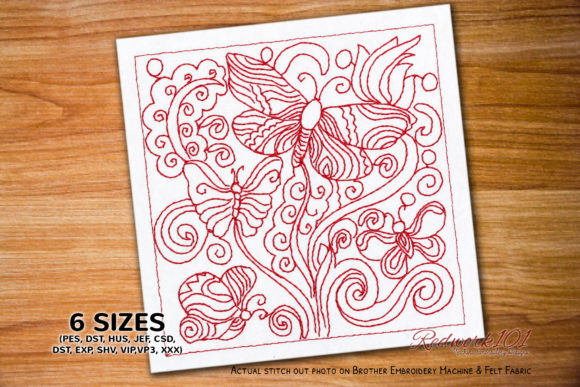
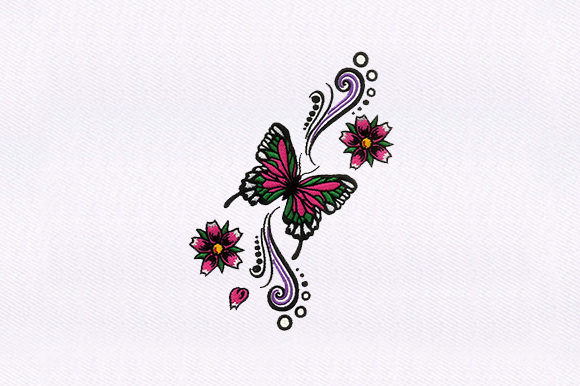
As an embroidery designer who’s prepped over 200 craft fair booths—from snowy holiday markets to sun-drenched spring fairs—I took one look at Floral Butterfly and smiled. It doesn’t scream “bug.” It whispers “whimsy,” then blooms into something quietly confident: soft curves, layered petals, delicate wings—no harsh lines or cartoonish exaggeration. This isn’t a novelty insect; it’s a botanical gesture with wings. Think cottagecore charm meets modern handmade clarity. Customers scanning your booth won’t pause because it’s loud—they’ll stop because it feels intentional, gentle, and *fresh*, exactly as the description promises.
Where Floral Butterfly Shines on Real Craft Fair Products
In my booth setup this season, I tested Floral Butterfly across seven product types—and here’s where it truly landed:
- Tote bag design: Centered on natural canvas or oat linen, it reads beautifully at 4.5" wide—large enough to anchor the bag but not overwhelm. The floral elements give texture; the butterfly adds lift. Ideal for shoppers seeking “elegant utility.”
- Apron embroidery: Placed just above the pocket (not on the bib), it balances practicality and personality. Works especially well on denim or medium-weight cotton—no stitch crowding, no visual competition with pockets or straps.
- Tea towel embroidery: On flour-sack or waffle-weave towels, the design holds its shape without sinking into texture. Avoid placing it directly over thick hems or seams—keep it in the smooth field area for best clarity.
- Embroidered patch: At 2.75", it retains all wing veining and petal separation. Back it with iron-on fusible web and sell it as a standalone small shop product—great for teens, teachers, and Etsy sellers bundling with pins or stickers.
- Pillow cover & fabric pouch: Here, Floral Butterfly becomes a quiet luxury cue. Paired with solid linen or chambray, it signals “handmade care,” not mass production. No need for borders or frames—it stands alone.
What Holds It Back (And How to Work Around It)
Let’s be direct: Floral Butterfly is not a “throw-it-on-any-surface-and-go” design. Its charm lives in detail—and detail demands attention. I flagged three real-world constraints during test stitching:
- Dense stitch areas: The center of the flower cluster has tighter fill. On textured towels or thick twill caps, that density can flatten or blur. Solution? Use cutaway stabilizer + reduced top tension. Test on scrap first—don’t assume your default settings will translate.
- Small-scale clarity: Below 2", wing outlines soften and petal layers merge. Skip it for baby onesies or tiny keychain tags. Reserve smaller sizes strictly for patches or lapel accents—never as primary branding on small pouches.
- Dark fabric contrast: The design relies on thread color interplay—not heavy shadowing. On charcoal or navy, avoid light pastels unless you’re using high-sheen rayon or metallic thread. Stick to cream, sage, or dusty rose for reliable pop.
Why It Converts at the Booth (and on Etsy)
This isn’t just about prettiness—it’s about buyer psychology at 3 p.m. on a crowded Saturday. Floral Butterfly works because it’s:
- Instantly legible: No decoding needed. Even from six feet away, people recognize “flower + butterfly”—a universal, positive symbol. That’s critical when shoppers are filtering dozens of booths in seconds.
- Photogenic for digital listings: It stitches cleanly, lies flat, and reads well in natural light. Pair it with a muted background (slate, oat, warm white) and it lifts right off the screen—ideal for Etsy seller thumbnails and printable mockups.
- Repeatable without repetition fatigue: You can embroider it on ten tote bags and they’ll feel cohesive, not cookie-cutter. Why? Its asymmetry (slight wing tilt, organic petal placement) preserves handmade authenticity—even in batch production.
Designer Notes You Can’t Skip Before Selling
I’ve seen too many small shop products derailed by skipped prep steps. For Floral Butterfly, do these—*before* cutting your first fabric piece:
- Test the machine embroidery design on *your* exact fabric + stabilizer combo—not someone else’s tutorial swatch.
- Check thread colors against your base fabric under both daylight and booth lighting. What looks perfect on screen may vanish under fluorescent market lights.
- Confirm hoop size compatibility. If your embroidery file requires a 5x7 hoop but you only use 4x4, you’ll need to resize thoughtfully—or risk losing wing definition.
- Inspect stitch density in the flower center. If threads pile up, reduce fill density by 5–8% in your software. Better subtle than stiff.
- Create *one physical mockup*—not digital, not printed—stitched, pressed, and hung on your display rack. Does it hold its shape? Does the scale feel right beside your other bestsellers?
- Verify commercial licensing. Since Floral Butterfly is marketed as a machine embroidery design for handmade products, confirm whether it permits finished-product resale—especially if you’re listing on Etsy or supplying local boutiques.
Final Thought: A Signature Piece, Not Just Another Bug
Yes, Floral Butterfly sits in the Bugs category—but it transcends it. It’s not about entomology; it’s about emotional resonance. In a sea of geometric prints and bold typography, this design offers breathability, softness, and quiet confidence. For craft fair sellers, it’s a versatile anchor. For Etsy sellers, it’s a scroll-stopping thumbnail. For boutique makers, it’s a chance to elevate everyday items—tea towels become heirlooms, totes become keepsakes, patches become personal talismans. Done right, Floral Butterfly doesn’t just decorate fabric. It invites connection. And in handmade markets, that’s the only metric that matters.