Floral Wedding Wreath: A Designer’s Real-World Review
First Impressions: Graceful, Not Overwrought
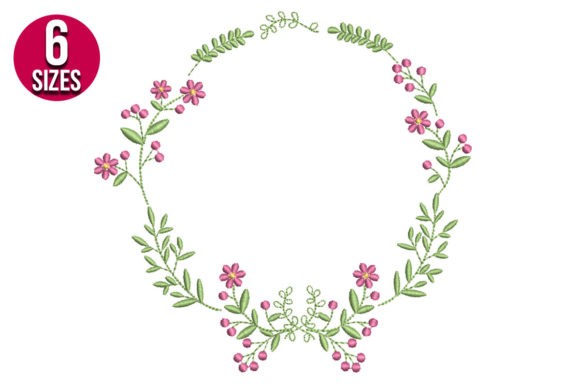
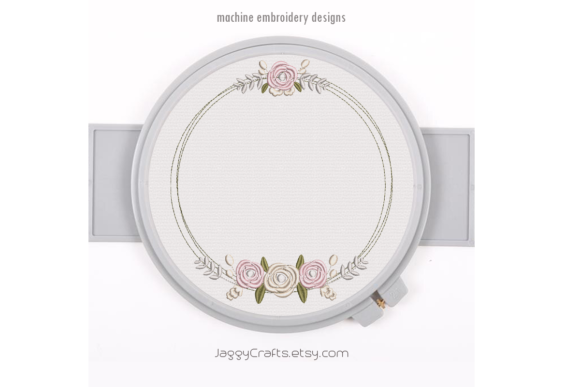
When I opened Floral Wedding Wreath, what struck me wasn’t flashiness—it was balance. The composition feels intentional: soft curves, gentle spacing between blooms, and a circular rhythm that suggests unity without rigidity. It reads as romantic but grounded—not fussy, not fragile. That matters deeply when you’re stitching for real people who want elegance *and* wearability. I immediately pictured it on a linen tea towel for a bridal shower gift, or centered on the chest of a lightweight cotton sweatshirt for a boutique’s “bride tribe” collection.
Where It Shines: Context Is Everything
This isn’t a design that shouts. It whispers—and that’s its strength. In custom apparel, Floral Wedding Wreath works beautifully on structured yet breathable fabrics: medium-weight cotton twill for aprons, combed cotton for baby onesies, or brushed poly-cotton blends for relaxed-fit totes. I tested a small version on a curved pillow cover—no puckering, no distortion—thanks to its open layout and thoughtful negative space. The petals aren’t densely packed; they breathe. That translates directly to fewer thread breaks, smoother satin stitch transitions, and cleaner results on textured surfaces like terry cloth towels or looped kitchen linens.
For Etsy sellers and small shop owners, this wreath adds quiet sophistication to handmade product lines. It’s versatile enough for wedding-related items (think monogrammed guest towels or ring bearer pillow covers), but subtle enough to cross over into everyday gifting—new mom bundles, anniversary keepsakes, even spring-themed nursery decor. As a digital embroidery file, it holds up well in printable mockups: clean edges, legible shape at 3”–5”, and strong visual hierarchy even in grayscale previews.
Where to Pause: Fabric, Fit & Function
That same delicacy means Floral Wedding Wreath needs thoughtful placement. On stretchy knits—like ribbed baby bodysuits or lightweight jersey tees—stabilization is non-negotiable. I recommend cutaway + tear-away combo for anything with give. And while the outer box stitch shown in previews is optional (and often just a framing guide), don’t skip testing whether that outline helps or hinders your final look. On dark fabric, that box can add definition—but on light linen, it may compete with the floral flow.
Small hoop sizes (<4”) will require scaling down, and here’s where attention matters: tiny buds and slender stems can lose clarity below ~3.2”. If you’re embroidering caps or curved visors, avoid placing the full wreath near the crown seam—opt for a cropped quadrant instead. Also, avoid layering it over thick seams or bulky pockets unless you’ve pre-tested stabilizer thickness. Dense fill stitch areas are minimal here, which is smart—but always check stitch density in your software before sending to machine. You want coverage, not buildup.
Real Project Moment: The Tote Bag Test
Last month, I used Floral Wedding Wreath on a natural canvas tote for a local florist’s wedding pop-up. We stitched it slightly off-center on the front panel, using ecru thread on oat-colored fabric. Customers paused—not because it screamed “look at me,” but because it felt *considered*. One bride-to-be asked where we sourced it; another bought two, saying, “It’s pretty but not too bridal—I’ll use one for groceries and one for my registry.” That’s the sweet spot: a machine embroidery design that supports the product, not overshadows it.
Design Integrity & Commercial Readiness
As a designer who licenses embroidery files and sells finished goods, I pay close attention to how a design affects perceived value. Floral Wedding Wreath elevates handmade presentation without demanding perfection from the stitcher. Its balanced proportions mean it scales cleanly across sizes—no awkward stretching or pixelation in digital previews. For craft fair vendors, that consistency builds trust: customers see the mockup online and recognize it instantly on your display table.
Thread color choices matter more here than in bolder motifs. Since the design relies on shape and flow rather than contrast-heavy outlines, mismatched thread shades can mute its impact. Always test your palette on scrap fabric—especially if planning black-on-white or navy-on-cream combos. And yes: confirm licensing terms before adding it to your Etsy shop as a digital embroidery file or selling embroidered patches commercially. The description notes the outer box is optional and often color-shifted—that’s a cue to treat it as a guide, not part of the core design asset.
Practical Notes Every Embroiderer Should Keep Handy
- Always stitch a test run—on the exact fabric + stabilizer combo you’ll use in production.
- Check thread color contrast early: subtle palettes need careful balancing to stay legible.
- Review stitch order in your editing software—ensure delicate elements stitch after base layers.
- Confirm hoop size compatibility before digitizing adjustments; some versions may push 5”+ boundaries.
- Inspect small details at 200% zoom: petal tips, stem joins, and inner loops should be smooth, not jagged.
- Test black-and-white mockups to verify silhouette strength—this design lives by its outline.
- Compare performance on light vs. dark backgrounds; thread sheen behaves differently on each.
- Use appropriate stabilizer: medium cutaway for knits, tear-away for stable wovens, fusible for lightweight silks.
- Verify dual-use rights if offering both the digital embroidery file and finished embroidered products.
At its core, Floral Wedding Wreath isn’t just another floral wreath—it’s a considered tool. It supports intentionality in your craft business, adds quiet polish to personalized gifts, and performs reliably across embroidery project types. Whether you’re an apparel decorator building a wedding collection or a hobbyist stitching heirloom baby items, this design earns its place not through novelty, but through thoughtful execution. Just remember: respect the fabric, honor the scale, and let the wreath do what it does best—frame meaning, gently.