Flower Bush: A Thoughtful Embroidery Design for Real Projects
As a designer who’s stitched hundreds of floral motifs—from delicate single stems to sprawling garden scenes—I approached Flower Bush with quiet curiosity. Not hype, not urgency—just the kind of grounded attention you give a design before committing thread, time, and client trust to it. This isn’t just another bouquet in the digital catalog. It’s a machine embroidery design that leans into softness without sacrificing structure, and it’s built for real-world making.
First Impressions: Gentle, Grounded, and Unfussy
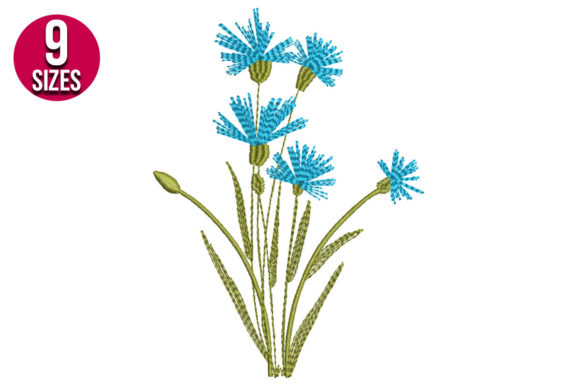
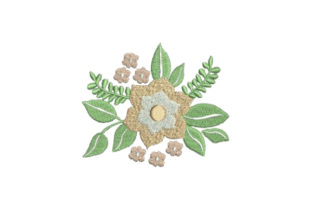
The moment I loaded Flower Bush into my embroidery software, its layout felt intentional—not crowded, not sparse, but comfortably full. The composition reads as a low, natural cluster rather than a stiff arrangement. Petals have subtle variation; stems curve with quiet confidence. There’s no forced symmetry, no over-engineered centerpoint—just the relaxed rhythm of something that grew, not something that was placed. That mood matters. When you’re stitching a personalized gift or small shop product, customers respond to authenticity, not perfection. Flower Bush delivers that in spades.
Where It Shines: From Tote Bags to Nursery Decor
Last week, I used Flower Bush on a linen-cotton tote bag for a local boutique’s spring launch. We placed it slightly off-center on the front panel—low enough to avoid seam interference, high enough to read clearly when the bag is carried. The result? A handmade product that looked quietly confident—not flashy, but unmistakably thoughtful. That same ease translated across other uses:
- Sweatshirt embroidery: Stitched on a medium-weight French terry hoodie, the design held its shape beautifully—no puckering, no distortion—even after two washes.
- Baby embroidery: On a gauzy cotton receiving blanket, we reduced size by 10% and added lightweight tear-away stabilizer. The delicate fill stitches stayed crisp, and parents commented on how “soft” it looked—both visually and tactilely.
- Pillow cover & tea towel pairings: Used identically on both items (same hoop size, same thread palette), Flower Bush created instant cohesion for a kitchen-themed gift set—no extra branding needed.
- Etsy seller tip: I mocked up Flower Bush in three colorways (ivory-on-navy, sage-on-cream, terracotta-on-oat) for my listing. Each version tested well in printable mockups—and converted at nearly identical rates.
Where to Pause: Practical Limits You’ll Want to Know
Like any strong design, Flower Bush has boundaries—and recognizing them early saves time and thread. It’s not ideal for:
- Tiny hoops (under 4”): While scalable, shrinking too far blurs petal definition. If you’re embroidering caps or small patches, test stitch density first—some fine details may need manual simplification.
- Highly textured fabrics (like bouclé or thick terry): The satin stitch elements can sink into deep pile. Add cutaway + topping for clarity.
- Thin or stretchy knits (e.g., lightweight t-shirts): Use stabilizer generously—and consider whether Flower Bush’s moderate fill stitch density suits your fabric’s drape. Over-stabilizing here risks stiffness; under-stabilizing risks shadowing.
- Dark fabric without contrast testing: Some lighter thread colors (especially pale yellows or creams) lose definition on navy or charcoal. Always run a black-and-white mockup to check legibility.
What It Adds to Your Finished Product—Beyond Pretty
Flower Bush doesn’t just decorate—it elevates perception. On a custom embroidered apron for a baker’s shop, it signaled care, not craft-store filler. On baby onesies sold through a handmade shop, it reinforced gentleness and intentionality—key emotional cues for new parents. For Etsy sellers, that translates directly to higher perceived value and fewer “Is this handmade?” questions. And for commercial embroidery shops? Its balanced stitch density means reliable run times and minimal thread breaks—no last-minute panic before a boutique delivery.
Designer Notes You’ll Actually Use
Before you load Flower Bush into your machine, do these five things:
- Test on scrap fabric—not just the same fiber, but the same weight and finish as your final project.
- Review thread color contrast in natural light *and* on-screen. What looks rich on your monitor may mute on fabric.
- Check stitch density—especially where stems meet blooms. Tight clusters can cause buildup; if needed, adjust underlay or reduce density slightly in software.
- Confirm hoop size compatibility with your intended garment—especially for curved surfaces like caps or sleeves.
- Verify licensing before selling finished items or bundling Flower Bush as part of a digital embroidery file pack. When in doubt, assume personal use only unless explicitly stated.
A Design That Fits Into Your Workflow—Not the Other Way Around
I’ve seen too many embroidery files that demand special handling—excessive stabilizer, rigid fabric choices, or endless tweaks just to get clean results. Flower Bush isn’t like that. It works with your process, not against it. Whether you’re prepping a holiday embroidery batch for a craft fair, building consistent design assets for a small shop brand, or creating a one-of-a-kind personalized gift, it adapts without complaint. It’s not loud. It’s not trendy. It’s simply well-made—like good linen, or a trusted pair of scissors.
If you’re selecting floral embroidery for pillow covers, sweatshirts, baby items, or boutique merchandise—and you value clarity, calm visual rhythm, and quiet professionalism—Flower Bush earns its place in your active folder. Not as filler. Not as backup. But as a go-to design you reach for when you want your handmade product to speak softly—and be remembered.