Flower Patch: A Thoughtful Floral Embroidery for Meaningful Gifts
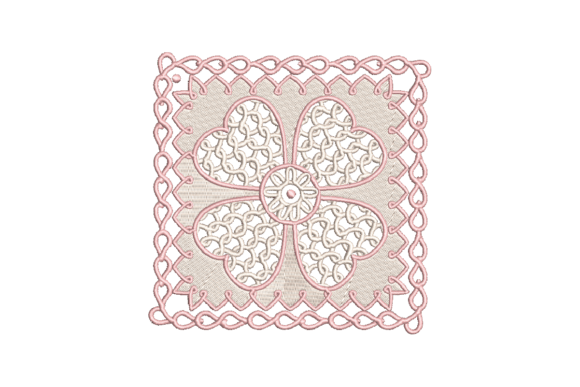
As an embroidery designer who’s developed over 200 machine embroidery designs for small shops, Etsy sellers, and custom gift studios, I test every floral pattern not just for stitch accuracy—but for storytelling potential. When I opened the Flower Patch embroidery file for the first time, I didn’t see just petals and stems—I saw a baby blanket stitched with soft pinks and ivories, a linen kitchen towel gifted at a housewarming, or a wedding keepsake pillow embroidered with the couple’s initials tucked beneath the bloom. Its charm is immediate: delicate but confident, romantic without being fussy, and quietly timeless.
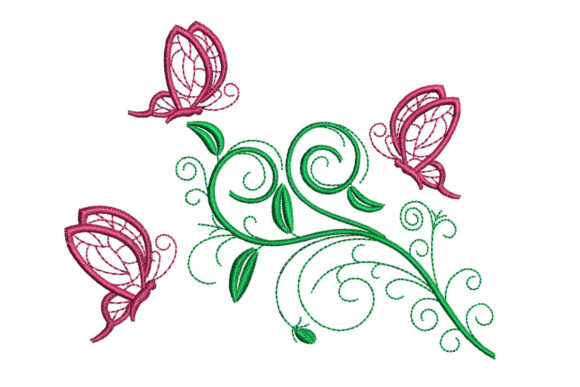
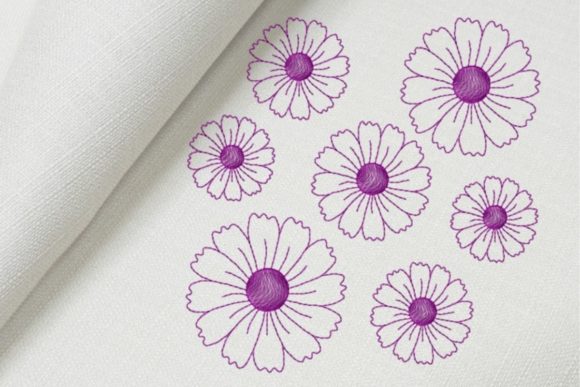
The mood of Flower Patch lands somewhere between classic cottagecore and modern handmade sensibility. It’s not overly stylized or cartoonish—no exaggerated curves or trendy minimalism. Instead, it balances clean line work with subtle layering, giving it gentle dimension without overwhelming stitch density. That makes it especially effective for personalized gift products where emotional resonance matters more than visual noise. Customers drawn to handmade product authenticity will recognize its care in construction—each petal feels intentional, each leaf has graceful taper, and the overall composition breathes naturally on fabric.
For baby embroidery, Flower Patch shines on organic cotton blankets, muslin swaddles, and nursery pillow covers. Its scale and soft edges avoid harsh contrast, making it ideal for sensitive skin and tender moments. On a light-gray knit onesie? Yes—but only with lightweight stabilizer and reduced top tension. For wedding gifts, pair it with ivory thread on oatmeal linen napkins or monogrammed guest towels—it reads as heirloom-quality, not mass-produced. And for Etsy sellers listing digital embroidery files, Flower Patch stands out in search results because it’s versatile enough to be tagged across multiple niches: floral embroidery, wedding gift, baby embroidery, personalized towel, and custom pillow cover.
Small shop owners will appreciate how easily Flower Patch adapts to seasonal offerings. Stitch it in sage and cream for spring showers, dusty rose and gold for summer weddings, or deep burgundy and charcoal for fall table linens. Because it’s not tied to one holiday or trend, it becomes a year-round staple—not just another seasonal design you’ll retire in October.
That said, thoughtful placement matters. Avoid using Flower Patch on heavily textured fabrics like thick terry cloth towels unless you’ve tested stabilizer combinations thoroughly—dense loops can distort fine stem details. Similarly, stretchy baby clothes (think ribbed cotton bodysuits) require careful hooping and cutaway stabilizer; skip the design entirely if your hoop size doesn’t comfortably accommodate its full width with margin. Curved surfaces—like the rounded edge of a tote bag handle or a fitted crib sheet—will compress outer petals unless you adjust placement or reduce density manually. And while Flower Patch works beautifully on dark fabric, always verify thread color contrast in your mockup: pale yellow centers may vanish on navy unless you switch to ivory or ecru.
Washing durability is another practical consideration. If you’re stitching Flower Patch onto items meant for frequent laundering—like embroidered towels or aprons—confirm that stitch density supports longevity. Overly dense fills trap moisture and wear faster; too-light stitching loses definition after five cycles. A mid-range density (neither sparse nor quilt-like) gives the best balance of detail and resilience.
What truly elevates Flower Patch as a personalized gift isn’t just how it looks—but how it feels to give and receive. A customer ordering a nursery pillow with this design isn’t buying decor; they’re investing in comfort, memory, and intention. That emotional connection boosts perceived value instantly. Photos of Flower Patch on a folded baby blanket or draped over a wooden chair perform exceptionally well on social media and product listings—its organic shape invites tactile imagination. Buyers linger longer, click “add to cart” with confidence, and leave reviews mentioning “handmade quality” and “so much more special than printed.”
Before stitching your first customer order, follow these practical steps:
- Test on scrap fabric that matches your final product’s weight and weave—especially for baby embroidery or embroidered towels.
- Check thread color contrast across both light and dark fabric swatches; some floral palettes fade visually depending on base tone.
- Confirm hoop size compatibility—if your machine requires re-hooping mid-design, consider simplifying or splitting elements.
- Review stitch density in your embroidery software; adjust fill angles or reduce underlay if stitching on delicate knits or sheer linens.
- Use proper stabilizer: tear-away for stable wovens, cutaway for knits, and heavy cutaway + topping for textured towels.
- Compare light and dark fabric mockups side-by-side before finalizing your Etsy listing or wholesale catalog image.
- Check small details after stitching: ensure thin stems and inner petal lines hold up cleanly—no skipped stitches or thread breaks.
- Confirm commercial licensing before selling finished products or bundling Flower Patch into kits—this is essential for Etsy sellers and small business owners.
Whether you’re designing a limited-run collection for a craft fair, building a signature line of nursery goods, or curating digital embroidery files for fellow makers, Flower Patch earns its place as a go-to floral embroidery asset. It doesn’t shout—it invites. It doesn’t overwhelm—it comforts. And in the world of personalized gift creation, where attention, care, and quiet beauty drive loyalty and word-of-mouth, that kind of understated strength is rare. Keep it in your core library. Stitch it with intention. Let it carry meaning, one finished product at a time.