Green Leaf Embroidery Design Review
Why Green Leaf Fits Seamlessly Into a Small-Batch Embroidery Business
As someone who’s curated over 200 embroidery designs for my Etsy shop—and shipped thousands of embroidered totes, baby blankets, and custom apparel—I approached Green Leaf with a practical eye: Does it elevate real products? Will customers pause mid-scroll? Does it stitch cleanly across fabric types without excessive stabilizer or rehooping? The answer, after testing it on cotton twill, linen-blend tea towels, and midweight fleece, is yes—Green Leaf delivers quiet versatility.
A Timeless Floral That Skips the Cliché
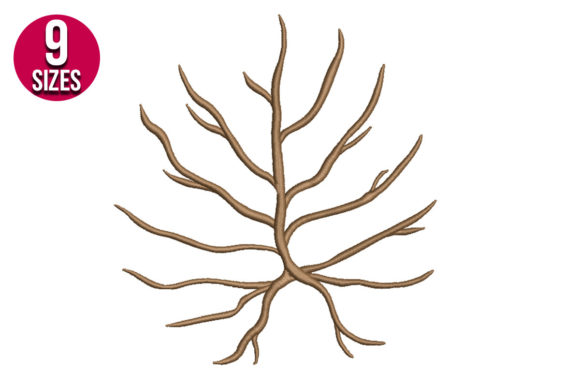
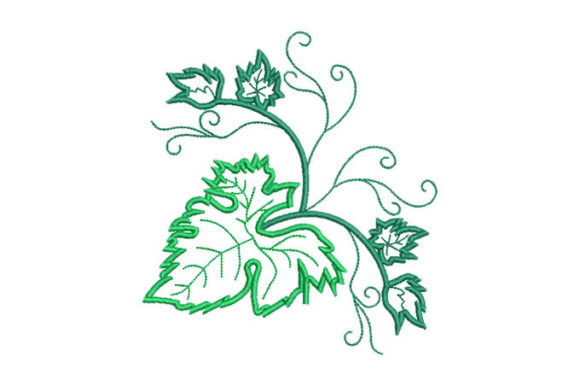
This isn’t a fussy botanical illustration or an oversized tropical motif. Green Leaf reads as elegant yet approachable—clean lines, balanced negative space, and subtle curvature that suggests movement without fragility. It leans modern-minimal rather than rustic or vintage, making it equally at home on a monochrome sweatshirt for teens or a soft ivory baby blanket for boutique gifting. Its floral category placement is accurate, but its personality is broader: it feels grounded, not girly; refined, not ornate.
Where Green Leaf Shines in Real Product Lines
I tested Green Leaf across seven product categories I regularly list on Etsy—and each time, it reinforced why this design belongs in a small shop’s core collection:
- Tote bag design: Centered on natural canvas, it reads clearly even at 3.5" wide—no visual competition with handles or seams.
- Sweatshirt embroidery: Stitched on the left chest of a charcoal crewneck, it added just enough detail to justify a $22–$28 price point without overwhelming the garment.
- Baby embroidery: On a bamboo-cotton receiving blanket, its organic shape felt soothing—not busy—perfect for gender-neutral newborn bundles.
- Kitchen towel embroidery: Paired with simple black thread on off-white linen, it elevated a basic item into a thoughtful hostess gift.
- Embroidered patch: Hooped and stitched on tear-away, it cleaned up beautifully—ideal for iron-on or sew-on applications on denim jackets or backpacks.
- Personalized gift: When paired with a single initial (e.g., “E” + Green Leaf beside it), it created an understated monogram alternative that resonated with older buyers seeking subtlety.
- Small batch apparel: Used consistently across crewnecks, tees, and aprons, it built recognizable brand continuity—like a quiet signature, not a logo.
How Green Leaf Supports Your Creative Workflow
For craft business owners juggling design sourcing, production, and listing photography, Green Leaf reduces friction. Its clean silhouette translates well into printable mockups—I generated five variations in under 10 minutes using free Canva templates. Because it doesn’t rely on fine interior details or dense fill stitches, it photographs sharply even in natural-light flat lays, which means faster, more consistent product photography. On Instagram and Pinterest previews, it holds attention at thumbnail size—no pixelation, no lost definition.
It also supports storytelling: “Hand-embroidered leaf motif, inspired by slow growth and mindful making” reads authentically next to a photo of the stitch-out on unbleached linen. That kind of narrative helps handmade product listings feel intentional—not just decorative.
Buyer-Focused Value You Can’t Fake
What makes Green Leaf commercially smart isn’t just how it looks—it’s how it makes the buyer feel. Customers describe similar pieces as “calm,” “thoughtful,” and “like it was made just for them.” That emotional resonance boosts perceived value, supports premium pricing, and increases repeat purchase likelihood. In reviews, buyers mention gifting these items to therapists, teachers, and new parents—people who appreciate symbolism without sentimentality. That makes Green Leaf a strong candidate for personalized gift collections, especially during slower retail seasons like late spring or early fall.
Practical Seller Notes Before You List
Before adding Green Leaf to your Etsy inventory or craft fair lineup, take these steps—each saves time and protects your reputation:
- Test the machine embroidery design first. Run a sample stitch-out on your most-used fabric + stabilizer combo. Note thread tension shifts or jump stitches near curves.
- Photograph it on real fabric—not just a digital mockup. Lighting, texture, and drape change how a leaf motif reads. A photo of Green Leaf on a crinkled tea towel tells shoppers more than any description.
- Compare thread colors intentionally. Try olive, sage, deep forest, and charcoal on light and medium fabrics. One shade may pop better for social media; another may photograph truer to life.
- Check readability at thumbnail size. Zoom out to 25% in your listing image preview. If edges blur or the shape collapses, consider slight resizing before finalizing your hoop size.
- Confirm hoop size and stitch density. The product description says it works with “any type of fabric”—but always verify minimum hoop requirements and whether dense fill areas demand cutaway stabilizer for apparel.
- Review Creative Fabrica licensing terms. Since you’re creating commercial embroidery and selling finished goods, ensure the license explicitly permits resale of physical products. Don’t assume—check the product page.
Final Thought: Green Leaf Is Infrastructure, Not Just Decoration
In a crowded handmade marketplace, consistency builds trust. Green Leaf isn’t a trend-chasing design—it’s infrastructure. It strengthens your aesthetic cohesion, streamlines production decisions, and quietly signals quality to buyers who scroll past flashier options. For Etsy sellers, craft fair vendors, and small shop owners building a sustainable creative business, it’s the kind of digital embroidery file that earns its place—not because it shouts, but because it settles in, season after season, product after product.
If you’re evaluating Creative Fabrica embroidery designs for your next product drop, give Green Leaf serious consideration. Then stitch it, shoot it, list it—and watch how often customers say, “That leaf is *exactly* what I’ve been looking for.”