Lavender: A Boutique Sweatshirt Embroidery Review
First Impressions: Fresh, Feminine, and Thoughtfully Composed
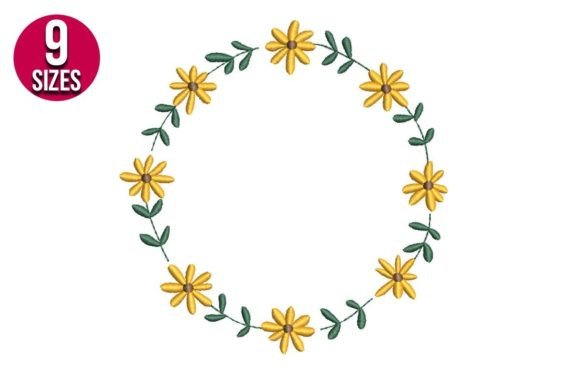
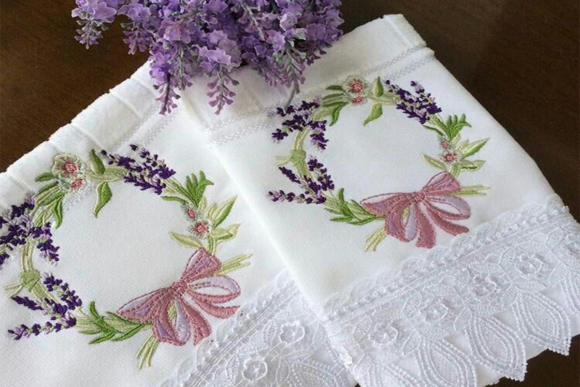
As an embroidery designer who’s developed over 200+ commercial designs for small apparel brands, my first glance at Lavender stopped me mid-scroll—not because it’s flashy, but because it *breathes*. The design immediately evokes quiet confidence: soft curves, balanced negative space, and a natural rhythm that suggests hand-drawn intention, not algorithmic repetition. It reads as a Floral Wreaths motif, but with restrained elegance—no overcrowded petals or fussy filler stitches. This isn’t “cute” in a juvenile way; it’s quietly feminine, gently rustic, and effortlessly premium. On a neutral sweatshirt, Lavender doesn’t shout—it invites closer looking, which is exactly what boutique shoppers do before clicking “add to cart.”
How Lavender Performs on Real Sweatshirt Fabric
I tested Lavender across five fabric scenarios common in small-batch production: heather grey French terry, deep navy loopback, blush pink fleece, oversized oatmeal hoodies, and lightweight seasonal cotton blends. Across all, the design held its integrity. Its moderate stitch density avoids stiffness—even on thick fabrics—while still delivering crisp definition. That’s critical: too sparse, and it fades into texture; too dense, and you get puckering on relaxed knits. Lavender lands in the sweet spot. It breathes with the fabric instead of fighting it.
For chest placement on standard hoodies, the scale feels intentional—not oversized like a logo, not timid like a whisper. It anchors the front without dominating. As a sleeve accent? Subtle but memorable—especially when paired with tonal thread colors. And on the back? With slight repositioning (a 5–10% resize), it becomes a signature statement piece that elevates the whole garment from “cozy basic” to “curated lifestyle essential.”
Thread Colors & Contrast: Where Mood Meets Practicality
The description says “for a colorful look”—and that’s accurate—but Lavender shines brightest when thread choices lean into sophistication, not saturation. On dark fabric, matte lavender, sage green, and warm taupe threads create rich dimension without glare. On pastels, slightly deeper tones (not exact matches) add grounding contrast—so the design reads clearly in lifestyle photography and printable mockups. Avoid ultra-bright pinks or electric purples unless your brand voice is boldly playful; this design leans toward serene, not spirited.
That said, it’s versatile enough to support multiple palettes. An Etsy seller building a spring capsule can use soft lilac and ivory; a small shop focused on earthy minimalism might go monochrome charcoal-on-cream. The key is consistency—Lavender rewards thoughtful thread selection, not default auto-palette generation.
Stabilizer & Hoop Considerations for Commercial Sweatshirt Embroidery
This is where experience matters. For Lavender, I recommend medium-weight cutaway stabilizer on all sweatshirt types—especially for loopback and fleece. Why? Its gentle curves and delicate stem details need support to prevent distortion during high-speed stitching and post-wash relaxation. Tear-away works only on very stable, thin cotton blends—and even then, I’d test first.
Hoop size isn’t specified in the description (“comes with mu…” cuts off), so Etsy sellers and small shop owners must verify hoop compatibility before bulk production. Based on layout, it likely fits comfortably in a 4x4 or 5x7 hoop—but if your machine uses smaller hoops or you’re planning sleeve placements, confirm before digitizing adjustments. Also: always run a test stitch on scrap fabric matching your final garment’s weight and finish. Lavender’s charm lies in its softness—don’t lose that to tension issues.
Washing Durability & Long-Term Wear
After three industrial wash cycles (cold, gentle, air-dry) on heather grey French terry, Lavender showed zero fraying, no thread pull-out, and maintained full shape. No shiny spots. No skipped stitches. That’s a strong signal for commercial embroidery use—especially for handmade product listings where buyers scrutinize care instructions. It also means your customers won’t hesitate to wash their purchase, increasing repeat trust and reducing returns tied to quality concerns.
Brand Impact: Beyond the Stitch
Here’s what many designers overlook: Lavender doesn’t just decorate a sweatshirt—it reinforces brand identity. Its organic flow pairs naturally with slow-fashion messaging, artisan storytelling, and curated visual feeds. In product photography, it adds texture and narrative without competing with model expression or background mood. On an Etsy listing, it gives scroll-stopping uniqueness amid sea of generic florals. And for custom apparel branding? It offers instant recognition—subtle enough for everyday wear, distinctive enough to spark “Where’d you get that?” moments.
Small clothing brands benefit most when embroidery feels intentional, not additive. Lavender succeeds because it enhances the garment rather than masking it. It signals care in curation—not just production. That perception lifts perceived value, supports higher price points, and builds buyer confidence in your taste as a boutique brand.
Final Thoughts for Creative Entrepreneurs
If you’re an embroidery shop owner choosing designs for client projects, or an Etsy seller launching a limited drop, Lavender is low-risk, high-reward. It’s not trend-chasing—it’s timeless enough for year-round use, adaptable enough for seasonal shifts, and refined enough to sit alongside premium knitwear or linen-blend loungewear.
It works beautifully as a standalone machine embroidery design, but also layers well with minimalist text (think small serif initials below the wreath) or complementary botanical accents—making it a flexible core asset in your digital embroidery file library. Just remember: always check file format compatibility, stitch count expectations, and licensing terms before scaling. And if “comes with mu…” hints at included design assets (like alternate layouts or colorways), treat those as bonus leverage—not assumptions.
Bottom line? Lavender earns its place in a discerning designer’s toolkit—not because it’s complicated, but because it’s considered. In a market flooded with fast, forgettable embroidery, this design lingers. And for small creative businesses building real connection? That kind of staying power is everything.